A remake rarely starts at the fit appointment. That’s just where you find out about it.
By the time a crown doesn’t seat or a retainer rocks, the problem has usually been sitting in the case for days: a margin that wasn’t clear on the scan, a script missing a detail, a design nobody checked against the bite. The patient’s back in the chair, your schedule takes the hit, and you’re paying for a mistake made somewhere you couldn’t see.
That’s the point. Most clinics never see inside their lab, so remakes feel like bad luck. They’re not. They’re a process gap, and they can be caught early.
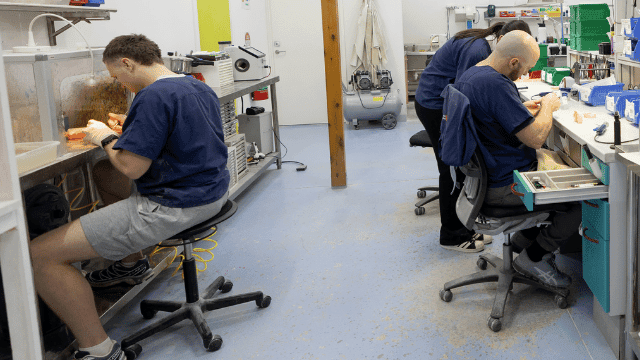
Here’s what happens to a case between your scan and your clinic, and the four points where a remake should be stopped before it ever leaves the building.
Checkpoint 1: The case is checked before work starts
The cheapest place to catch a problem is before anyone builds anything.
Every case that comes in should be reviewed on arrival: is the scan clean, are the margins readable, is the shade there, does the prescription match the scan? If something’s missing or unclear, the right move is a quick question to your clinic now, not a guess that turns into a remake in two weeks.
Why it matters to you: one five-minute query on day one beats a second appointment on day fourteen. A lab that never asks questions isn’t being efficient. It’s guessing.
Checkpoint 2: The design is checked before it’s made
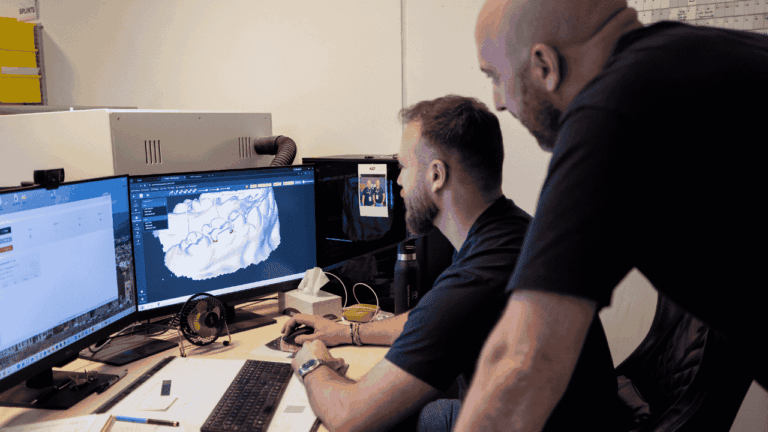
In a digital workflow, the design is where the case is really decided. Contacts, occlusion, margins and fit are all set here, before any material is used.
That makes design review the most valuable checkpoint in the whole process. A second set of eyes on the design, checked against the bite and the prescription, catches the issues that would otherwise only show up in your patient’s mouth.
Why it matters to you: fixing a design takes minutes. Fixing a finished restoration takes a remake, a delay and another slot in your book.
Checkpoint 3: The work is checked against the model
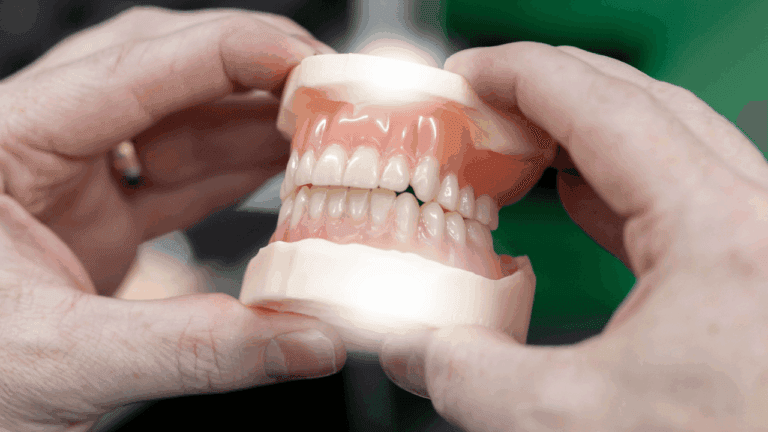
Once a case is manufactured, it gets checked against the model: seating, contacts, bite and finish. Not a glance. A proper check against what you sent and what you asked for.
This is the step that separates “it looked right on screen” from “it’s right.” Anything that doesn’t meet the standard gets corrected here, inside the lab, where it costs your clinic nothing.
Why it matters to you: a problem caught on the bench never becomes your problem in the chair.
Checkpoint 4: The final check before it ships
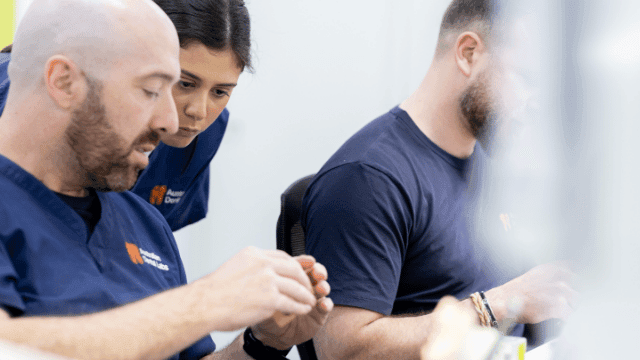
The last check before dispatch is simple: is this exactly what the clinic ordered, and would we be happy fitting it ourselves? Right case, right patient, right shade, right appliance, packed properly, and out the door on the date you were given.
Why it matters to you: you book the fit appointment with confidence, because the case shows up when it’s meant to and does what it’s meant to.
What this means for your clinic
Each of these checkpoints adds a small amount of effort on the lab’s side. Together they take a large amount of risk off yours.
That’s the trade a high-volume clinic should want. At 20, 30 or 40+ cases a month, even a small remake rate becomes a steady drain: lost chair time, rebooked patients, and a front desk chasing fixes instead of filling the book. A lab that catches problems early gives you that time back.
What you can do on your end
Most remakes caught at Checkpoint 1 come down to the same few things. Getting these right from the start makes every case faster:
- Clean, complete scans with clear margins and no gaps
- Shade information included with every case that needs it
- A clear prescription that says exactly what you want, not what the lab should assume
- A bite record wherever occlusion matters
Do that, and you’ll find your lab spends less time asking questions and more time getting your cases back to you.
The bottom line
You can’t control what happens inside your lab. But you can choose a lab that’s built to catch problems before they reach you.
At Australian Dental Labs, we partner with a limited number of high-volume clinics, and we build every case to be right the first time. That’s what keeps your patients moving and your chairs full.
Send a case with Australalian Dental Labs and see the difference.